


International Erasmus+ BIP programme at the Department of Biology
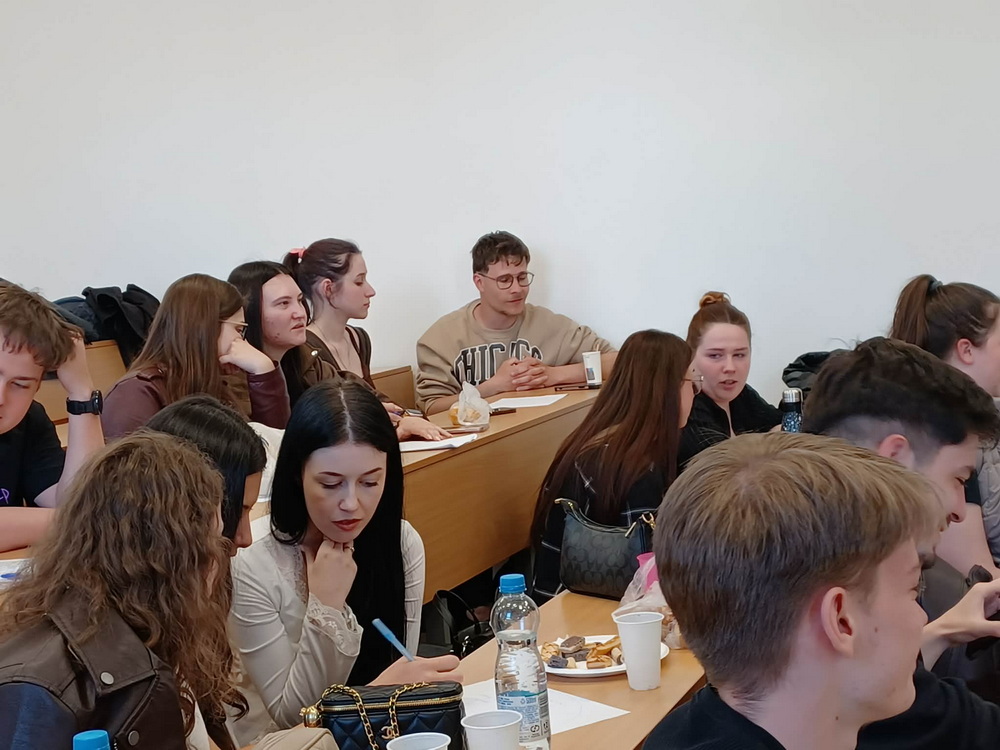
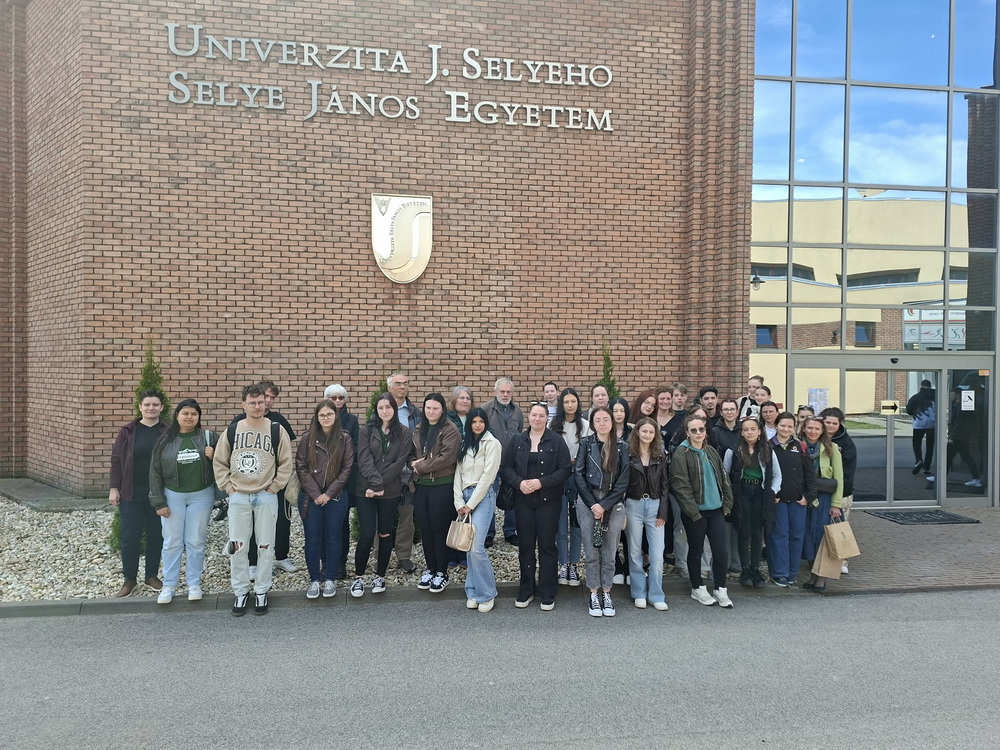
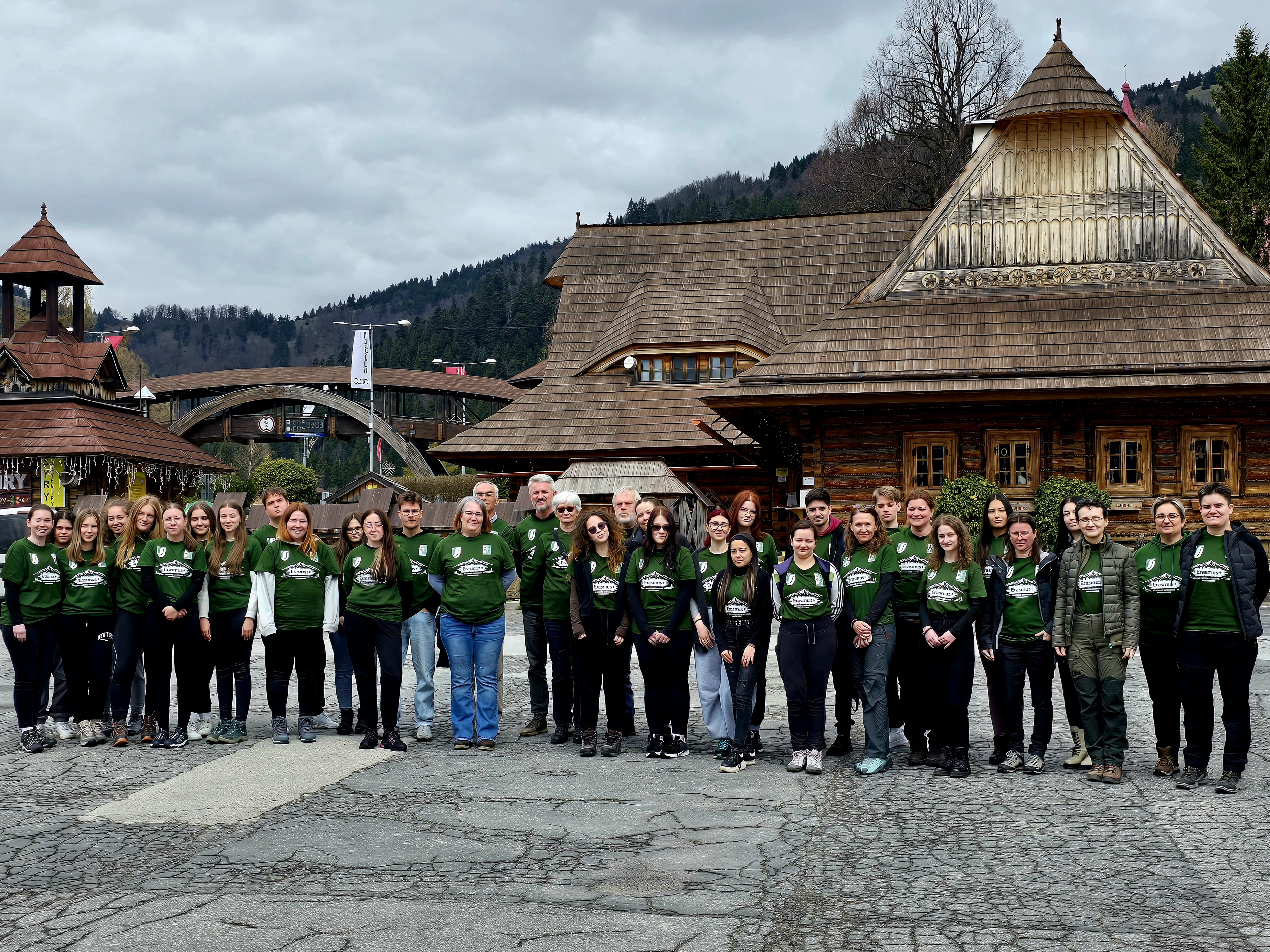
Between 20 and 24 April 2026, the Department of Biology of the Faculty of Education at J. Selye University hosted the international Erasmus+ Blended Intensive Programme (BIP) entitled “Global health in a sustainable society”. The professional focus of the programme was on health protection, sustainability, as well as the themes of global health and planetary health.
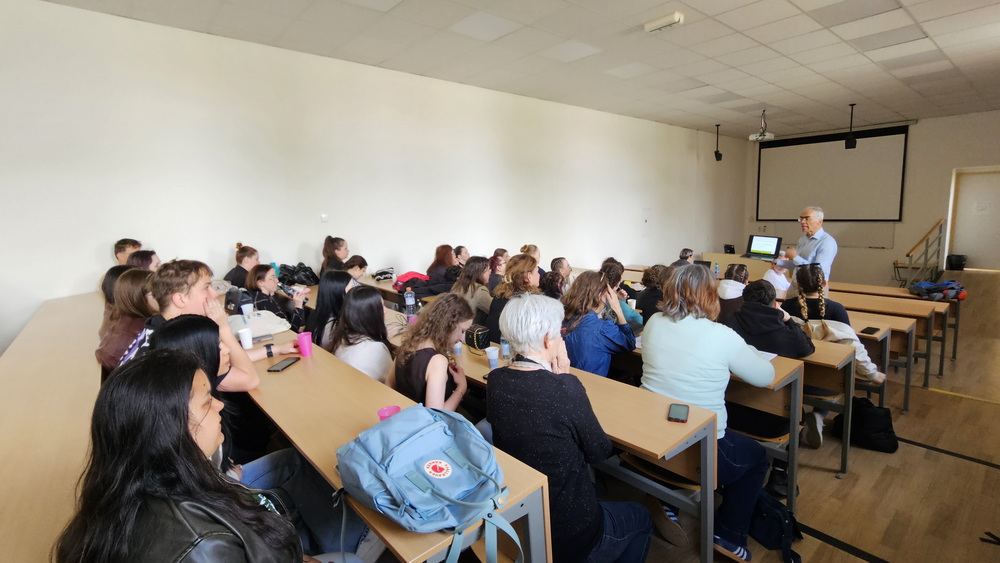
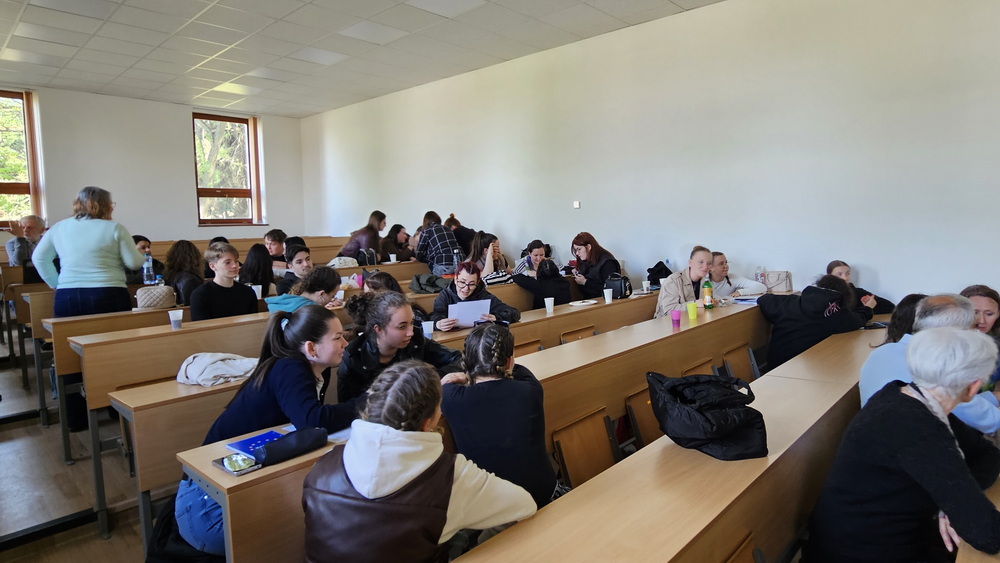
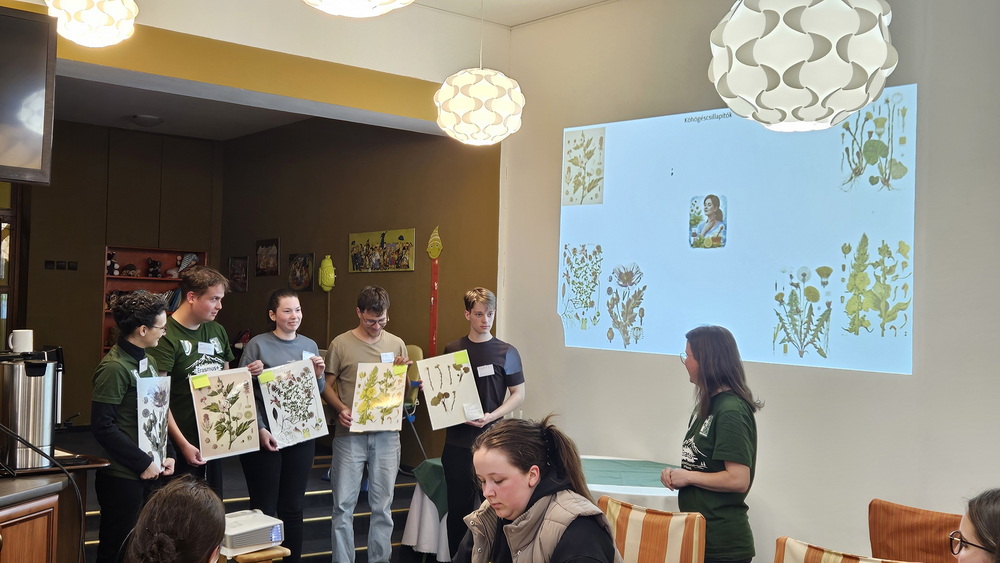
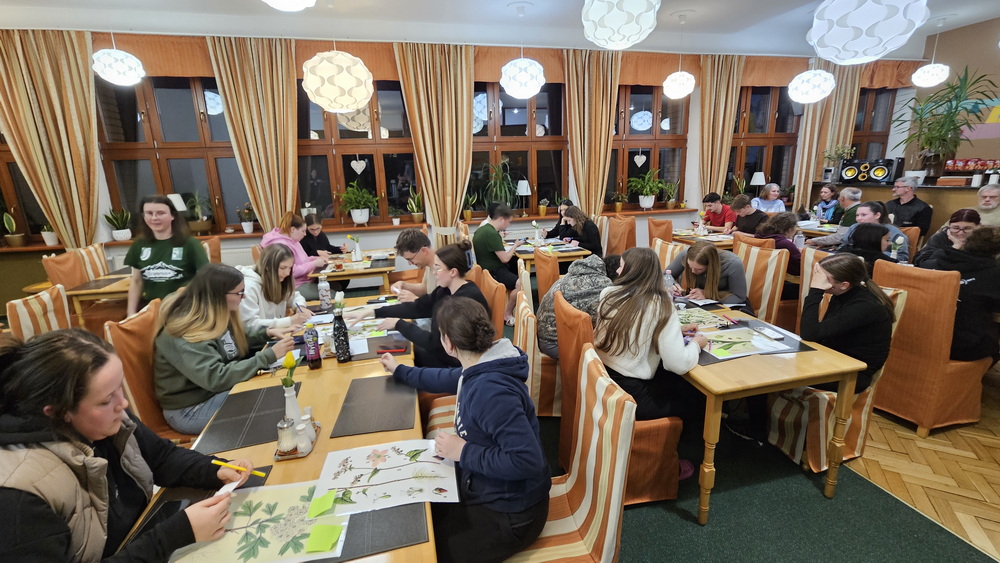
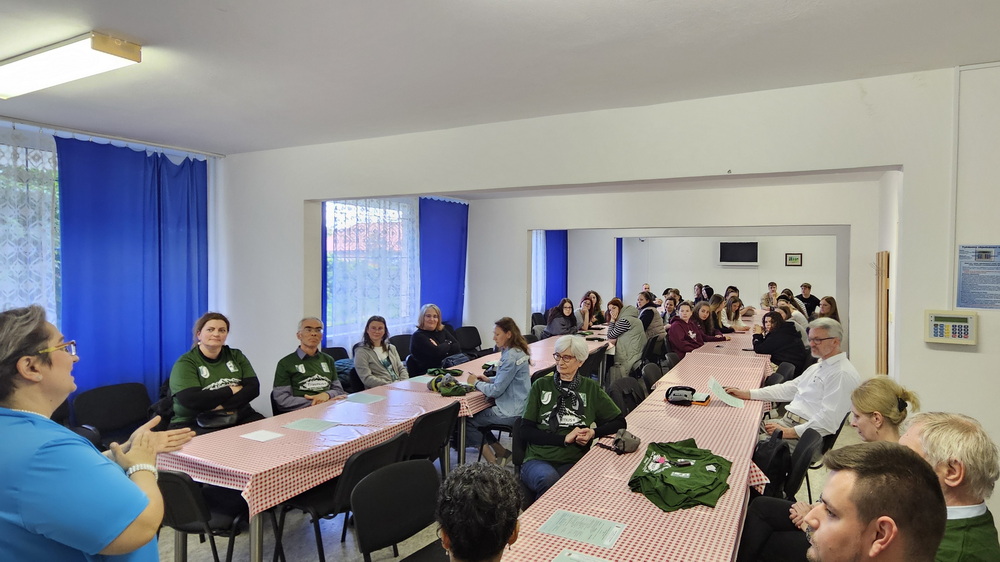
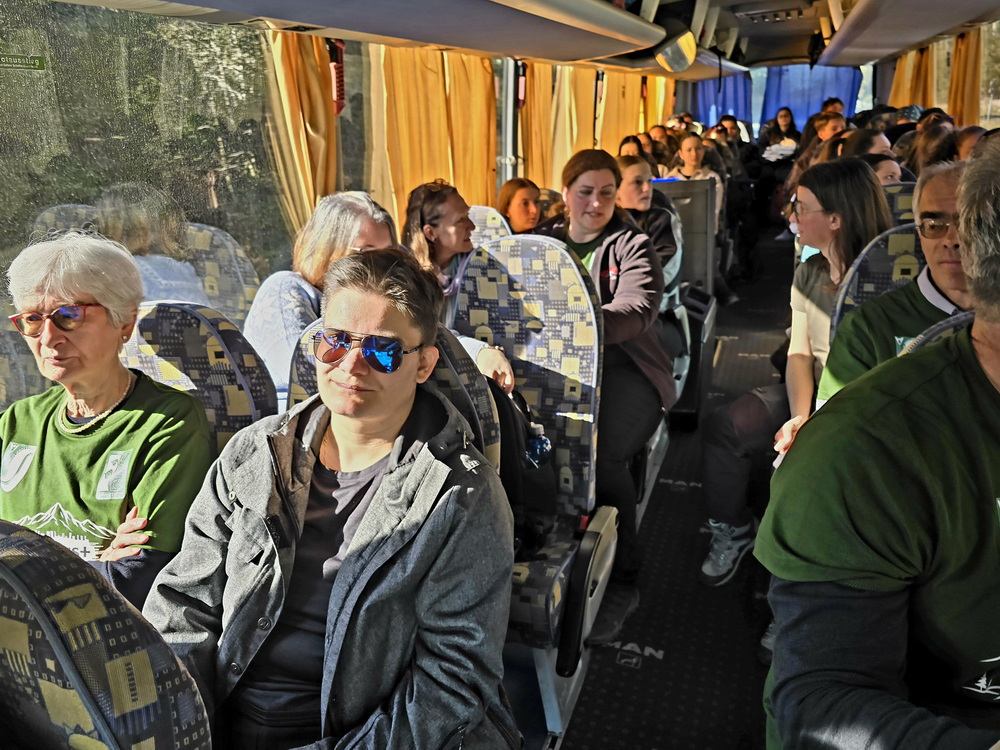
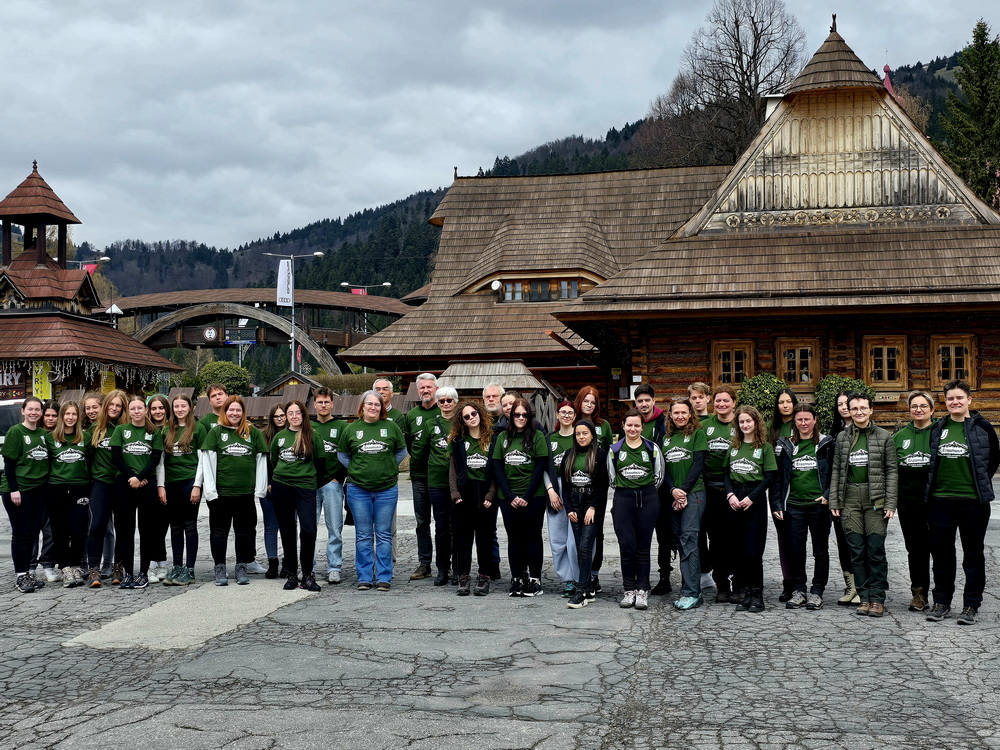
In addition to J. Selye University, students and lecturers from Sapientia Hungarian University of Transylvania, Eötvös Loránd University, and Eötvös József College also took part in the programme. During the five-day physical mobility, participants engaged in professional activities through lectures, interactive sessions, workshops, and field-based programmes. The topics of the programme included, among others, the use of medicinal plants, the role of the microbiome in the development of diseases, the ecological burden of food consumption, healthy daily rhythms, climatic health resorts, as well as the interconnections between the Sustainable Development Goals and the concept of planetary health.
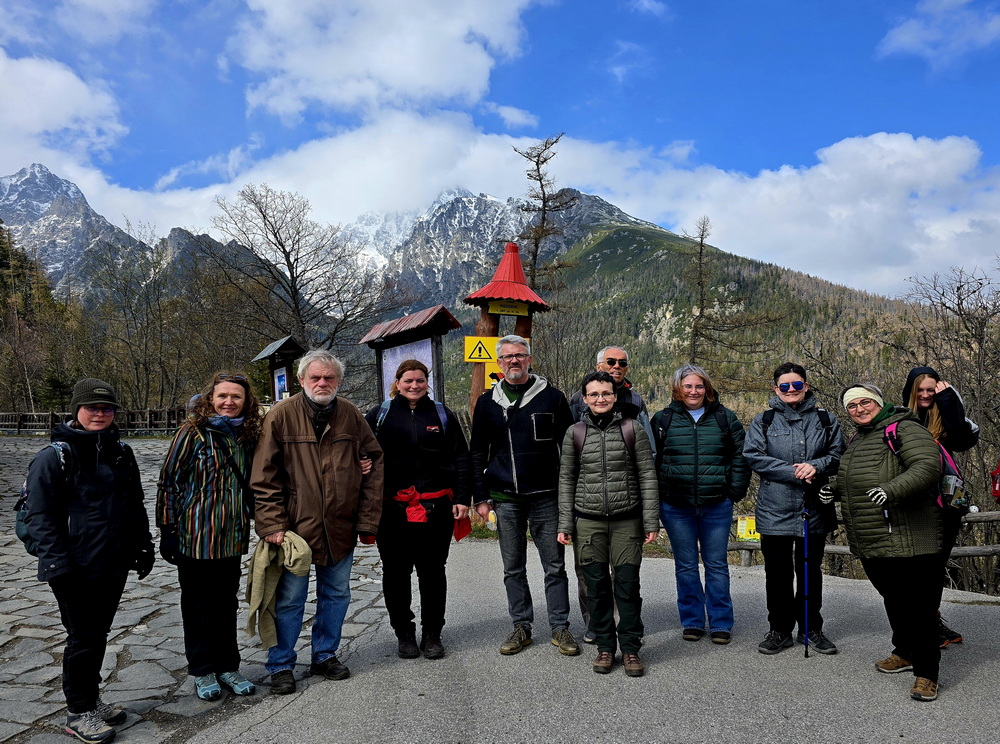
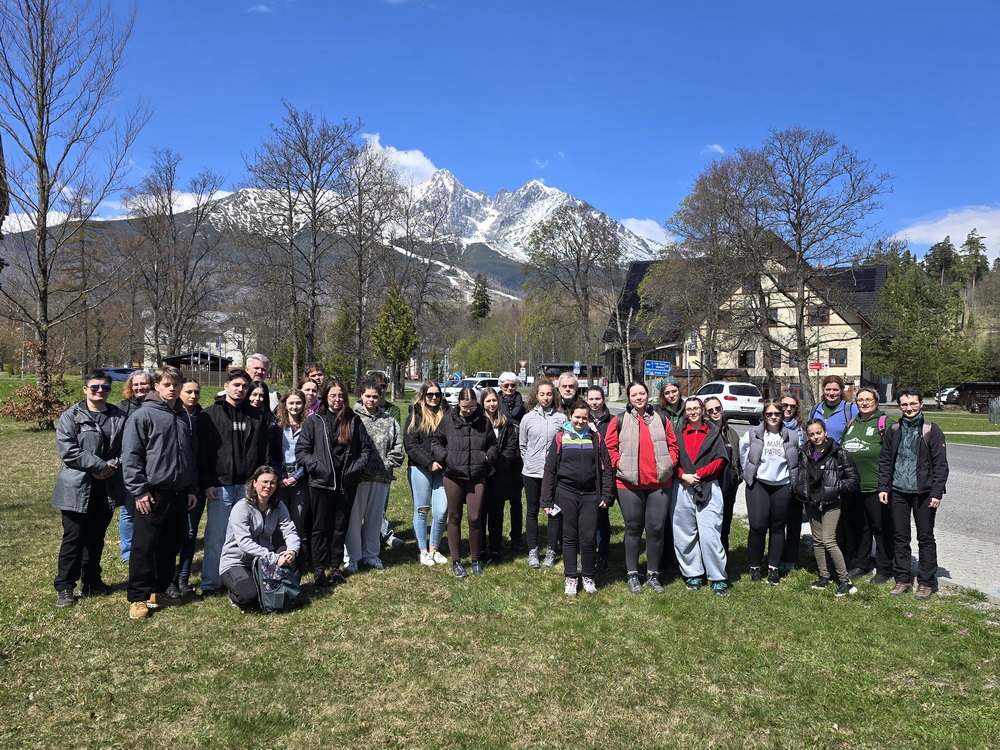
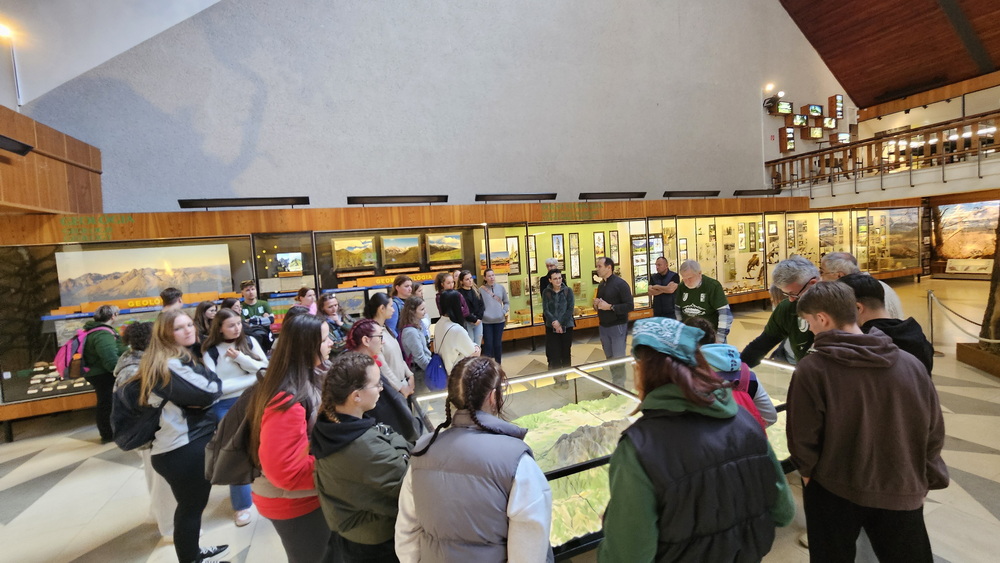
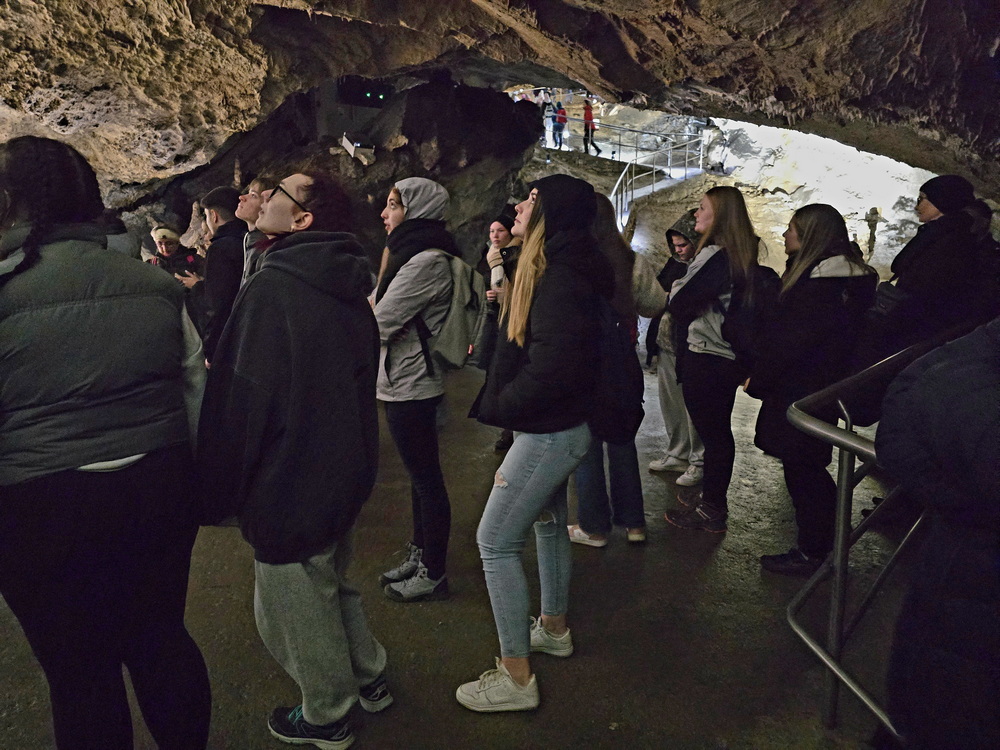
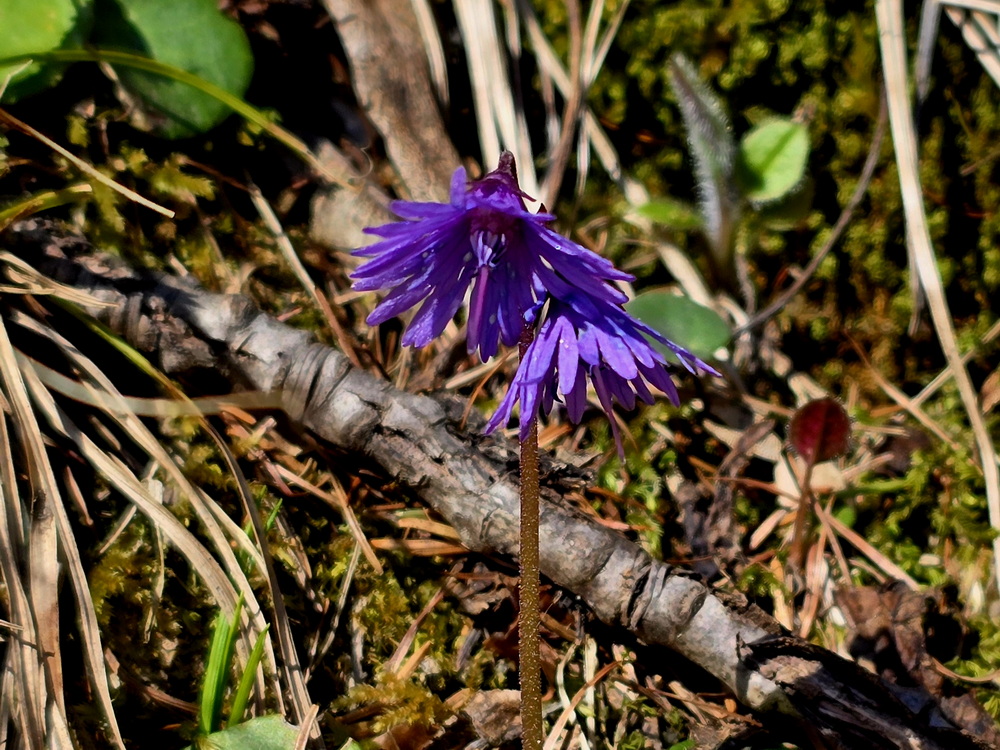
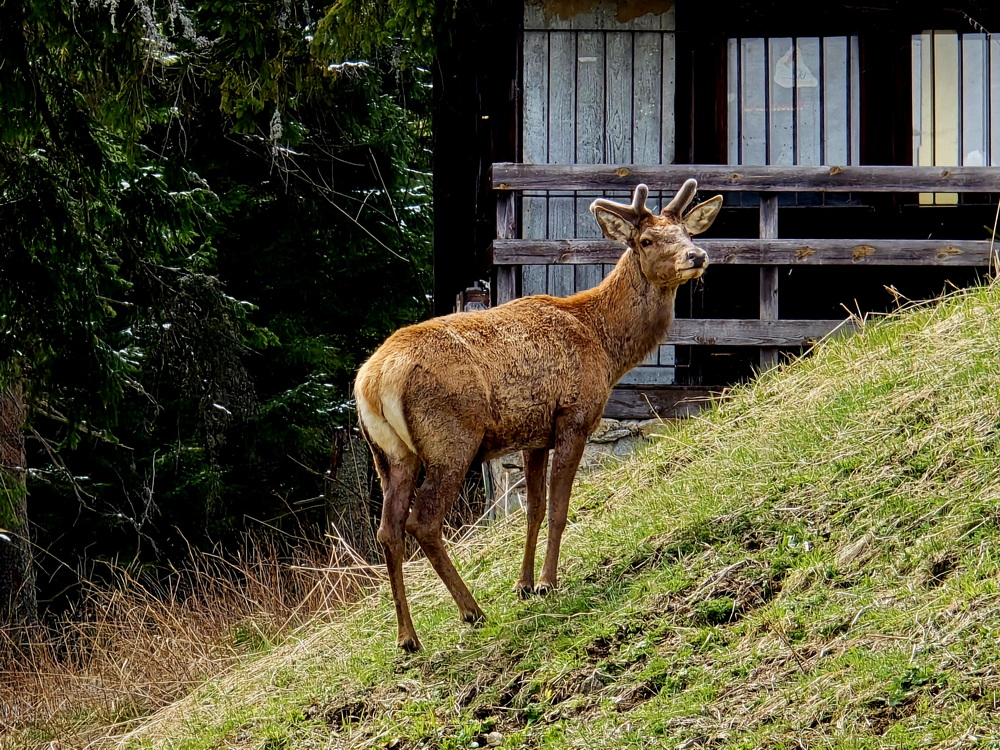
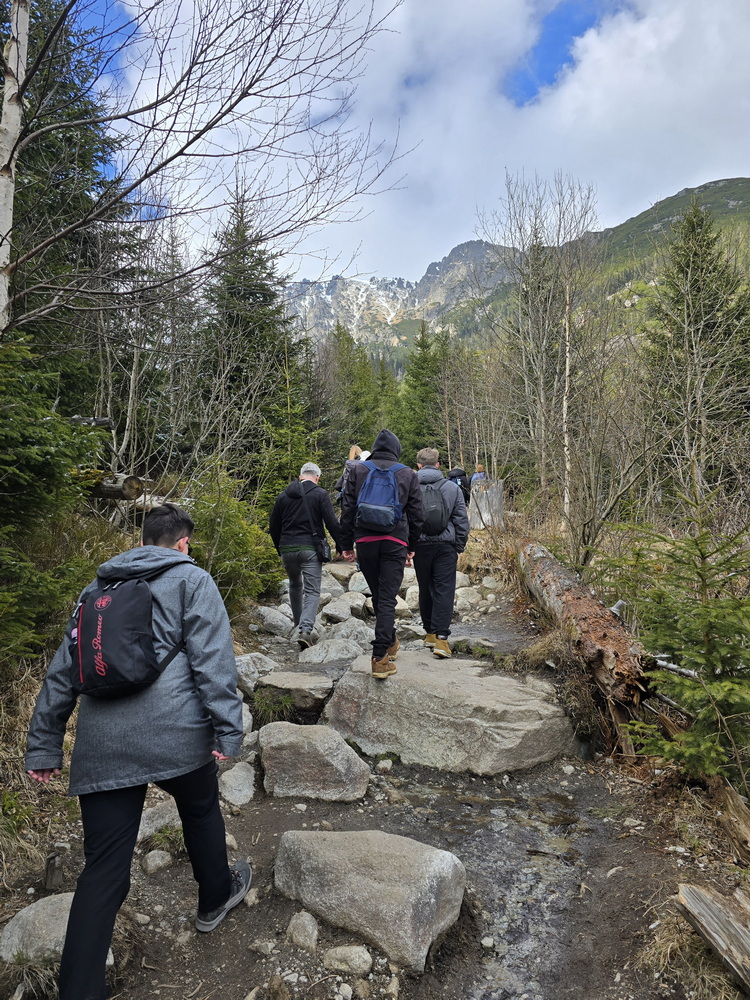
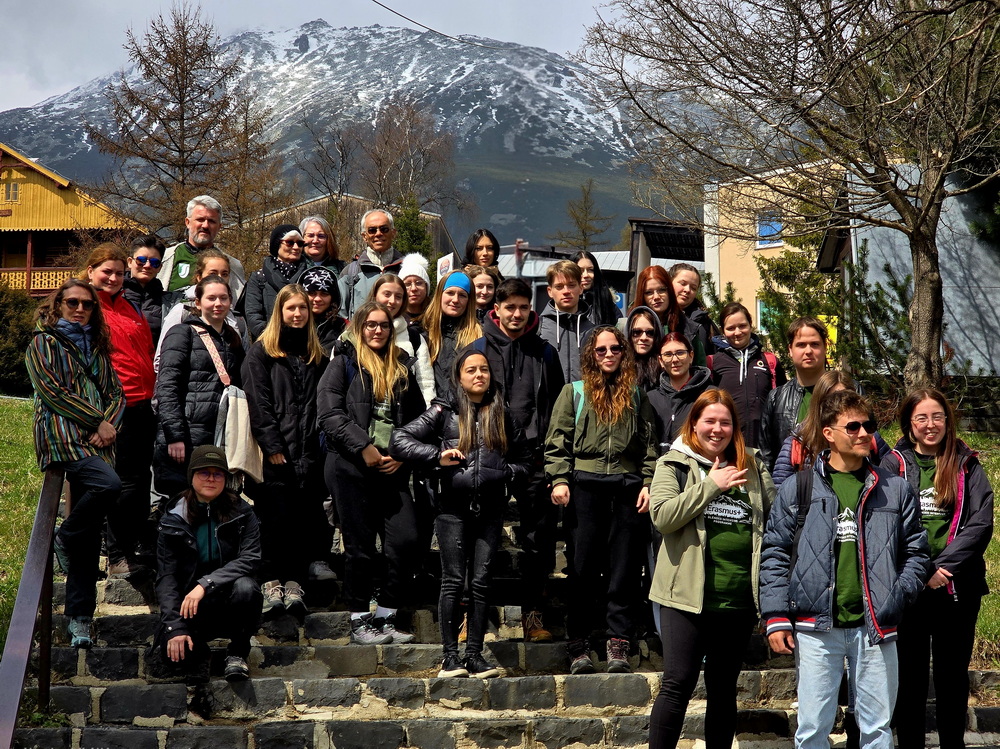
A highlighted part of the programme was the two-day field practice carried out in the High Tatras. In the area of Starý Smokovec, participants took part in field and educational activities through which they could directly experience the health-related and educational significance of the natural environment. The Tatra locations also demonstrated that the region had functioned in the past and still functions today as a network of climatic health resorts, while Belianska Cave is also known as a site of speleotherapy. The programme at the TANAP Museum presented the area from the perspectives of nature conservation and environmental protection, thereby directly linking it to the approaches of global health and planetary health. The physical mobility was followed by an online component in which students continued their work in international mixed groups.
As a result of the programme, participants deepened their knowledge of preventive health behaviour, the role of natural resources in health protection, and the relationship between sustainability and human health. At the same time, the BIP also provided an opportunity for students and lecturers of the partner institutions to build direct professional connections.
https://pf.ujs.sk/en/main/7041-international-erasmus-bip-programme-at-the-department-of-biology.html#sigProIdc056b69ac4